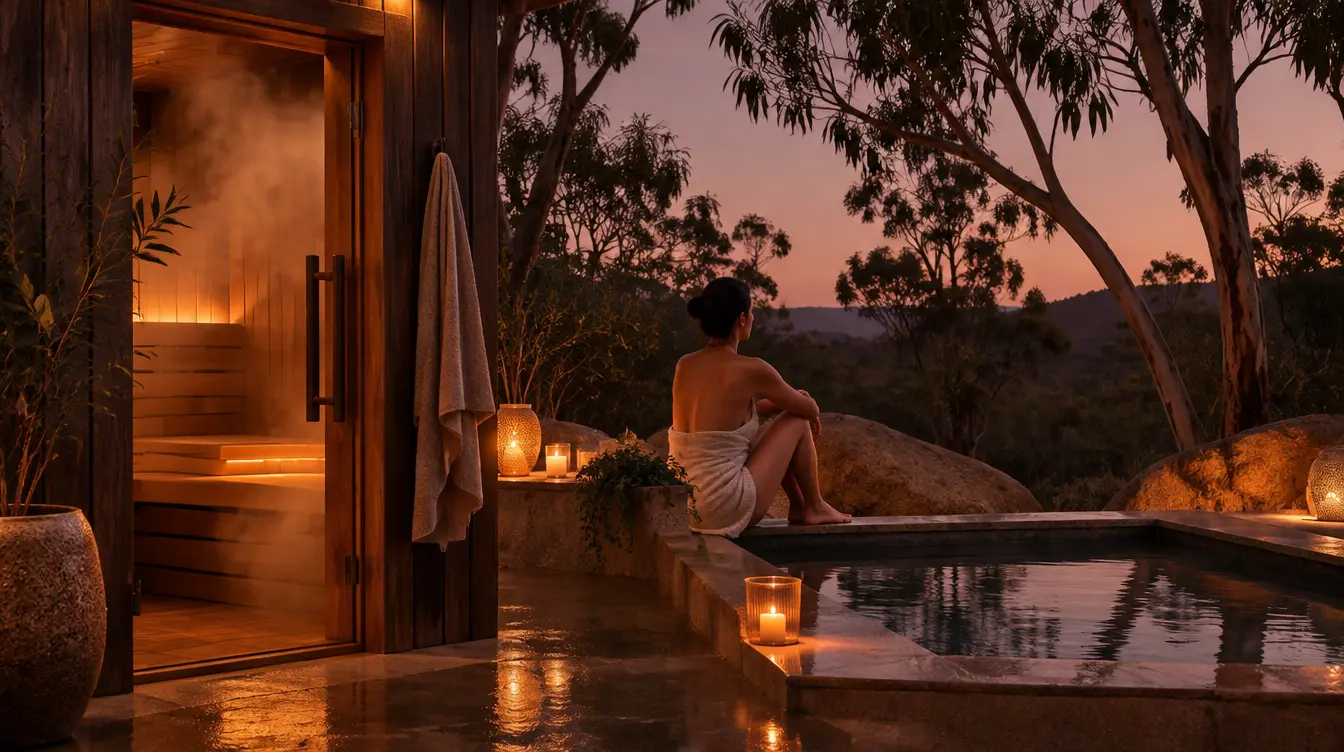
Heat and cold have been used for wellbeing for thousands of years: Finnish saunas, Turkish hammams, Japanese onsen, Indigenous sweat lodges, cold rivers and seas. Now they're back in a new form, with bathhouses opening in Australian cities and ice tubs in suburban backyards. People go for the health benefits, but often what they're really after is a moment of quiet.
That's worth noticing. Let's look at what heat and cold actually do, and what they can and can't give you.
The Short Answer
Saunas are relaxing, well studied and generally safe for healthy people. Ice baths are intense, more dramatic and have less evidence behind them. Doing both together, often called contrast therapy, is enjoyable for many people. None of them is a shortcut to inner peace, but all of them can become a doorway to presence if you use them that way.
| Sauna | Ice bath / cold plunge | Meditation | |
|---|---|---|---|
| How it feels | Warm, heavy, slowing down | Shocking, then clear and alert | Quiet, sometimes restless, gradually settling |
| Evidence | Good long-term studies, mostly from Finland, linking regular use with heart health and wellbeing | Early and mixed; people report more alertness and better mood | Strong for stress, anxiety and wellbeing |
| Main risks | Dehydration, dizziness, heart strain with some conditions | Cold shock, heart strain, fainting, drowning if alone | Very low |
| Cost | Session fees or a home sauna | Free (cold shower) to a home plunge | Free |
| Spiritual value | A natural pause and a chance to be present | Facing discomfort with a calm breath | Directly training awareness |
Sauna Benefits
Most of the strongest research on sauna benefits comes from Finland, where saunas are part of everyday life. Long-term studies there have linked regular sauna use with better heart health. Smaller studies suggest saunas can ease muscle soreness, help people relax and possibly improve sleep. Because heat raises your heart rate a little, a sauna puts a gentle, safe stress on the body, followed by deep relaxation.
Infrared vs traditional sauna: a traditional sauna heats the air, usually to 70 to 100°C. An infrared sauna heats your body more directly at a lower air temperature, so it feels milder. Most of the long-term research is on traditional saunas, but both seem to offer similar relaxation.
Ice Bath Benefits
Cold water triggers an immediate stress response: you gasp, your breathing speeds up and your heart races. After a minute or so this settles, and many people feel energised, clear-headed and proud of themselves. That's the main reported benefit: a mood and alertness lift. Claims about immunity, metabolism and long-term health are mostly ahead of the evidence.
If you live with anxiety, read our anxiety site's guide to ice baths vs meditation for anxiety (guidedanxietymeditation.com) before you try it, because the cold-shock response can feel a lot like panic.
Contrast Therapy: Going Between the Two
Hot-cold cycles feel invigorating, and bathhouses are built around them. A typical round is 10 to 15 minutes in the sauna, a short cold dip, then a rest. If you try it, keep the cold short, rest between rounds, and stop if you feel faint.
Safety first: drink water, skip alcohol, never plunge alone, and get out if you feel dizzy or unwell. If you have a heart condition, high or low blood pressure, are pregnant, or take medication that affects your heart or blood pressure, check with your GP before using saunas or cold water.
Real Stillness vs Another Thing to Chase
Here's the part the wellness posts usually skip. Many people find their quietest moments in the sauna or just after a cold plunge. The mind stops chattering because the body has your full attention. That's a genuine taste of presence.
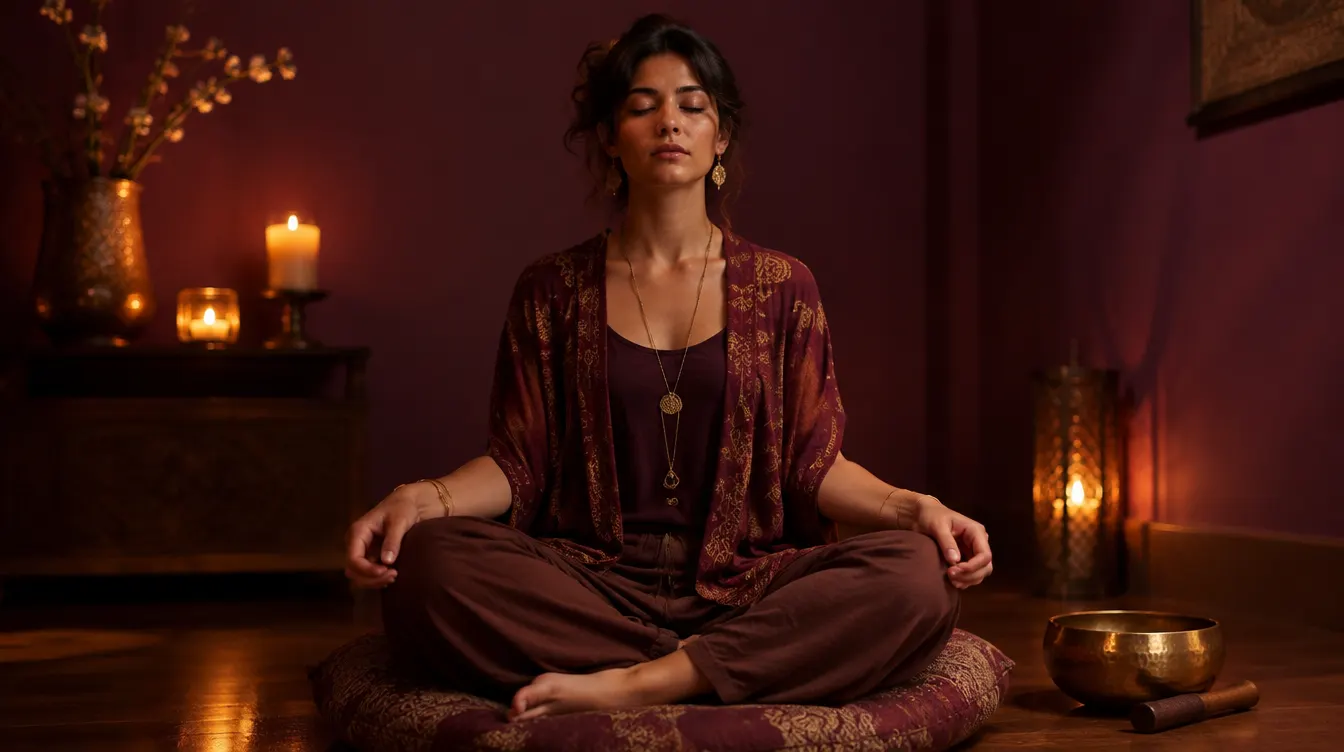
The risk is believing the stillness lives in the sauna, or in the next better, colder, longer session. It doesn't. It's your own awareness, and it's available sitting on your bed at home as much as in a bathhouse. Meditation is simply the practice of finding it without needing the heat or the ice.
So enjoy the ritual. Then, next time, try sitting quietly for a few minutes afterwards and notice what's still there. Our guide to meditation for spiritual awakening is a good place to start.
Related Reading
- Wellness trends compared, and where meditation fits
- Ice bath vs meditation for anxiety (guidedanxietymeditation.com)
- Sauna, massage or meditation before bed? (guidedsleepmeditation.com)
- Magnesium vs meditation for sleep (guidedsleepmeditation.com)
New to meditation? Meditation for Beginners has simple, free guides.
Frequently Asked Questions
What are the main sauna benefits?
Relaxation, easier muscles, and in long-term Finnish studies, links with better heart health. Many people also say they sleep better after an evening sauna.
Is it better to do a sauna or an ice bath first?
Most people start with the sauna and finish with a short cold dip, then rest. Listen to your body and keep the cold brief.
Are bathhouses good for your mental health?
For many people they're a relaxing, social way to switch off. They work best as a pause in a balanced life, not as the only way you find calm.