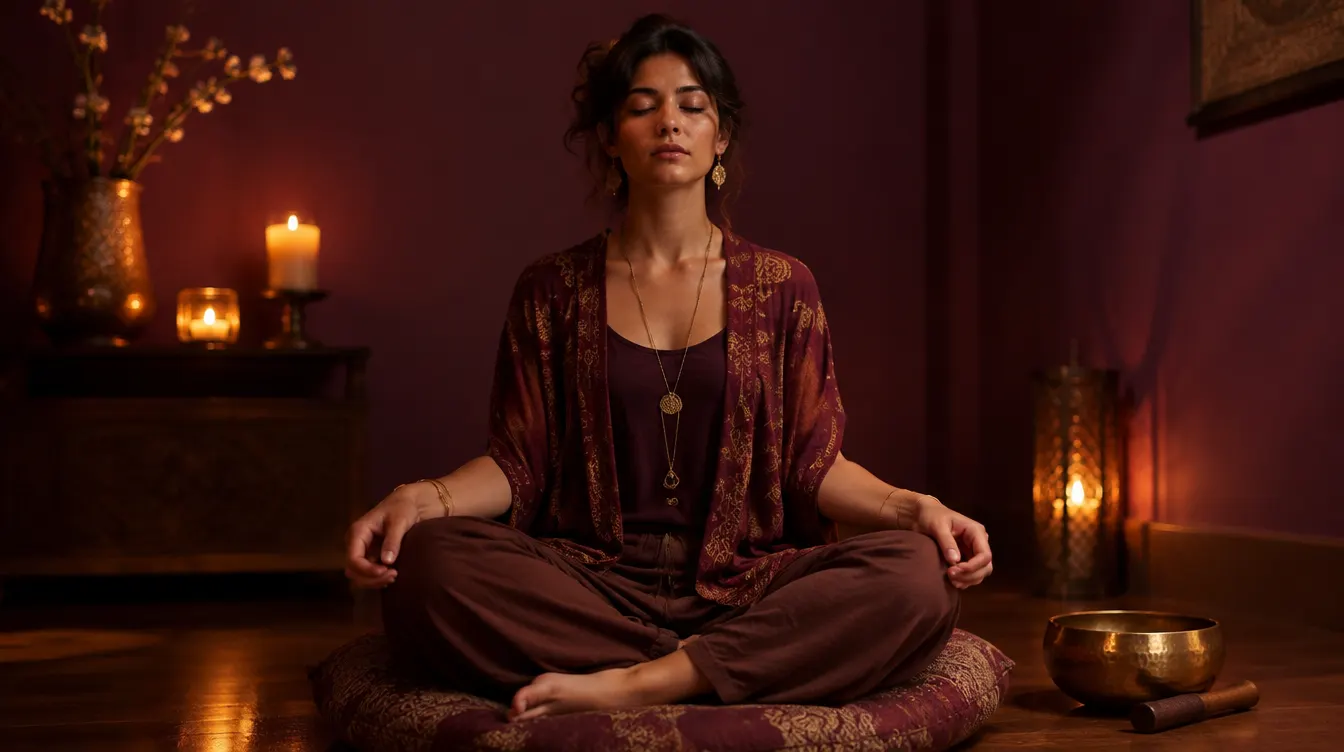
Spiritual coaching is a one-to-one relationship focused on the inner side of life: meaning, purpose, peace of mind, and a deeper sense of who you are. A spiritual coach helps you explore questions that don't have easy answers, notice what's really going on beneath the busy mind, and build simple practices, like meditation and reflection, that make change last.
Good spiritual coaching isn't religious, and it doesn't hand you a belief system. It starts from your experience and helps you trust it.
What Does a Spiritual Coach Do?
- Listens deeply, without judging or rushing to fix.
- Asks good questions that help you see your situation more clearly.
- Teaches practices such as meditation, breath awareness, self-inquiry and journaling, and helps you fit them into real life.
- Helps you make sense of inner experiences, including the confusing parts of a spiritual awakening.
- Supports action. Insight matters most when it changes how you live: your choices, relationships and work.
Who Is Spiritual Coaching For?
People often come to spiritual coaching when:
- Life looks fine from the outside, but something feels missing.
- They're going through a big change: a loss, a move, a new stage of life.
- They've started meditating or reading about spirituality and want guidance.
- They're experiencing what feels like a spiritual awakening and want to understand it.
- They want to live with more purpose and less anxiety.
What Happens in a Session?
Every coach works differently, but a typical session might include:
- Arriving: a few minutes of quiet or a short guided meditation.
- Exploring: talking about what's alive for you right now.
- Insight: noticing patterns, beliefs and what you really want.
- Practice: learning or refining a simple practice for the week ahead.
- Commitment: one small, realistic step to take.
Sessions can be online or in person, and usually last 45 to 60 minutes.
Spiritual Coaching vs Therapy
Coaching and therapy can overlap, but they're not the same. Therapy, from a psychologist or counsellor, is designed to assess and treat mental health conditions and work through trauma. Spiritual coaching is for people who are generally coping and want to grow, find meaning or deepen their practice.
If you're experiencing depression, severe anxiety, trauma symptoms, or thoughts of harming yourself, please see your GP or a mental health professional first. Coaching can sit alongside that support, but it isn't a replacement. In Australia you can call Lifeline on 13 11 14 at any time.
How to Choose a Spiritual Coach
- Do they have their own practice? A coach should practise what they teach.
- Do they respect your beliefs? You shouldn't feel pushed toward any one tradition.
- Are they grounded? Be cautious of big promises, pressure to buy, or claims that only they hold the answers.
- Do you feel safe and heard in a first conversation? Trust your sense of fit.
- Do they know their limits and refer you to other help when needed?
See also: life coach vs spiritual coach.
Frequently Asked Questions
Do I need to be religious to see a spiritual coach?
No. Spiritual coaching works with people of any faith or none. It focuses on your experience, values and inner life.
How many sessions will I need?
Some people find one or two sessions helpful; others prefer regular support over a few months. A good coach will talk about this honestly with you.
Can spiritual coaching be done online?
Yes. Many people find online sessions just as effective, and you can join from a quiet space at home.